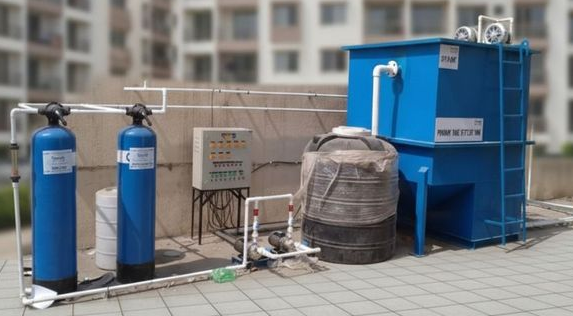
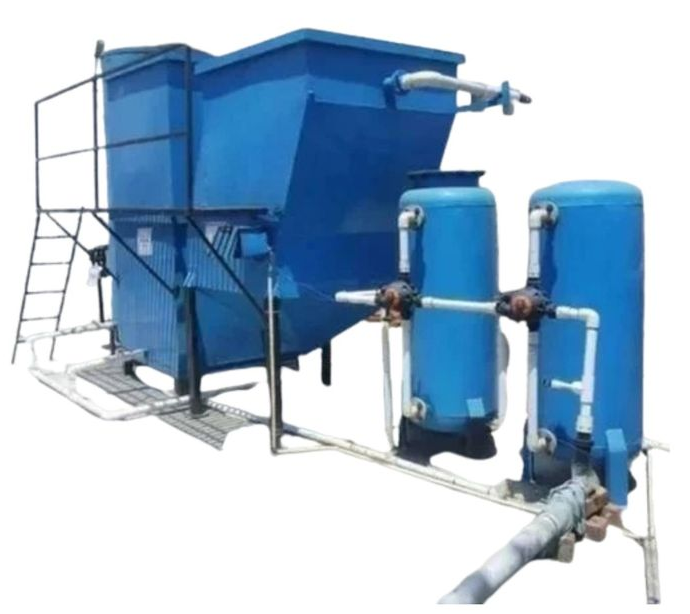
Soft water is produced by a water softening plant by exchanging ions in sodium form through a resin bed. After a specific amount of time, the resin bed is renewed using sodium chloride solution to regain its ability.
Softened water, in contrast to hard water, prevents precipitation and formation of insoluble scales in tanks and pipelines. As a result, water softening is essential in many businesses, and water softening machines are utilized in many countries' residences for improved water quality.
Energy Efficient
Water Recycle For Gardening, Cooling Tower, Toilet Flushing
Low Operation and Maintenance Costs
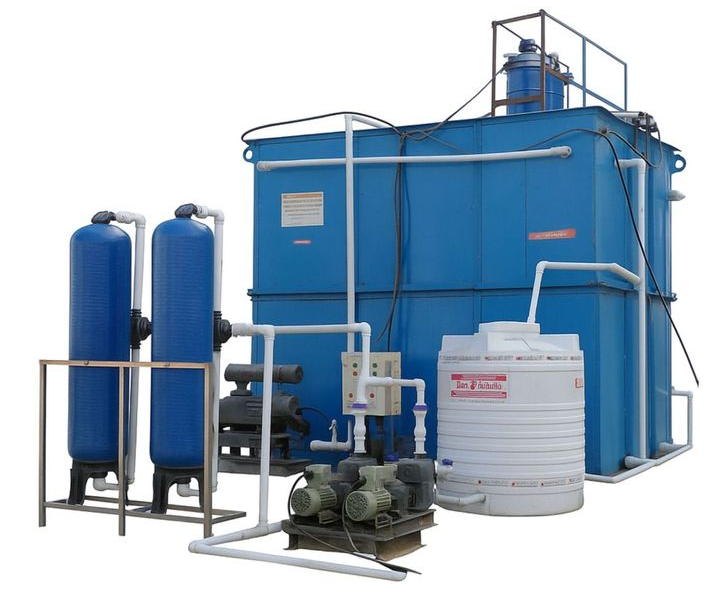
Why Water Softener Plants Are Important?
Water softening is crucial for protecting equipment, improving efficiency, and ensuring better quality water for various applications. Hard water can cause significant damage to pipes, appliances, and industrial equipment.
Prevents scale buildup in pipes and equipment
Extends the lifespan of appliances and industrial machinery
Improves efficiency of heating systems and boilers
Reduces soap and detergent consumption
Provides better quality water for industrial processes
We Provide Water Softener Plants
Comprehensive water softening solutions for residential, commercial, and industrial applications
Process Explanation
Hard Water Inlet
Ion Exchange
Sodium form resin bed
Softening Process
Calcium & magnesium removal
Regeneration
Using sodium chloride solution
Soft Water Output
Applications & Features and Benefits
Applications
Water softeners for industrial and process uses
Softened water with high flow rate for commercial settings
Superior softened water for industrial applications
Home usage water softening systems
Boiler feed water softening
Cooling tower water treatment
Hotels and hospitality industry
Features and Benefits
Domestic design and production facility for softening vessels
Available in different MOCs: MSEP, MSFRP, FRP, and MSRL